
If you want to grow, you have to get out of your comfort zone. This…

Meditation for Students
Students often struggle with stress, anxiety, lack of focus, and constant distractions. Between assignments, exams, social media, and personal life, the mind rarely gets a break. That’s where meditation comes in — a powerful tool that can help students gain mental clarity, emotional balance, and better concentration.
While some may think meditation is only for monks or yogis, it’s actually a practical and scientific practice that students of all ages can benefit from, especially during stressful academic periods.
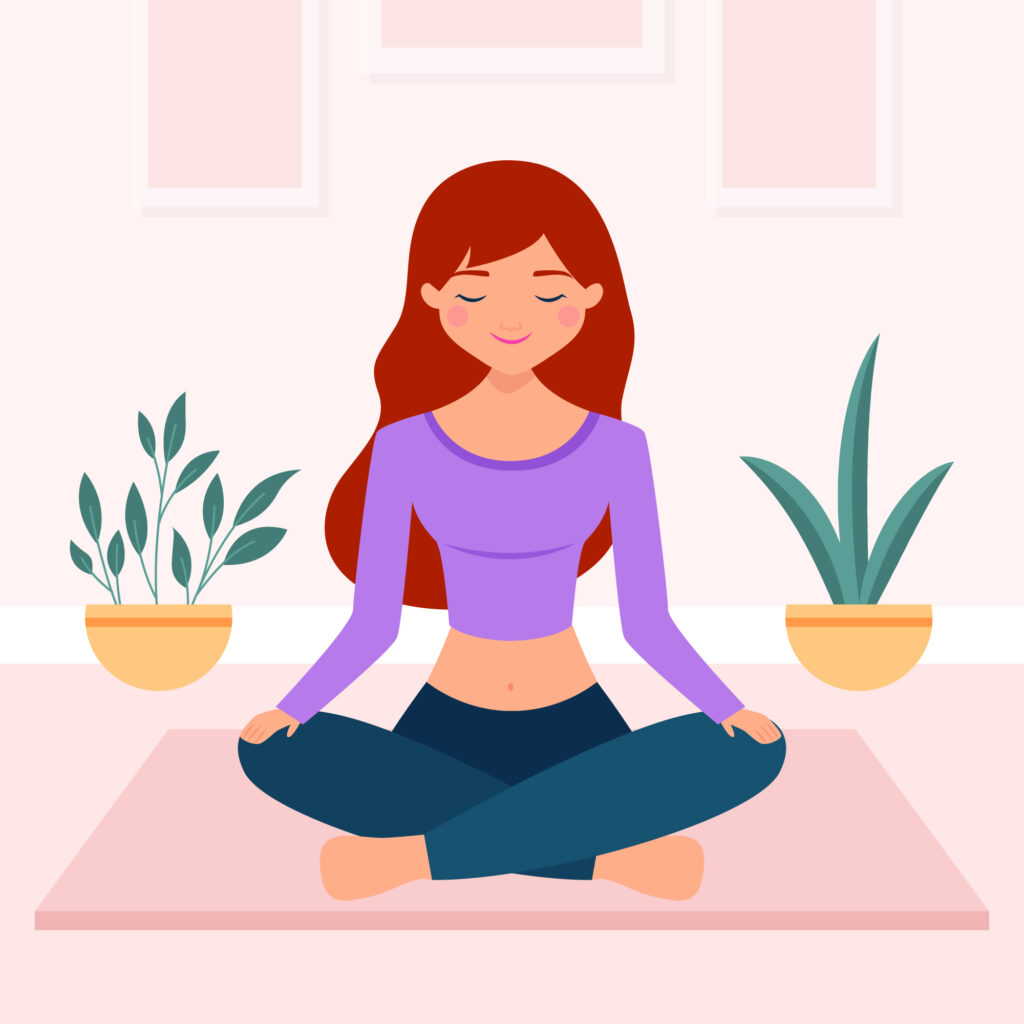
1. What is Meditation?
Meditation is a simple mental practice where you focus your attention and eliminate the stream of thoughts that may be crowding your mind. It involves techniques like deep breathing, mindfulness, or simply observing your thoughts without judgment.
The best part? You don’t need any fancy equipment or long hours. Just 5 to 10 minutes a day can make a huge difference in your mental health and academic performance.
2. Benefits of Meditation for Students
The benefits of meditation go far beyond just “feeling relaxed.” Here’s how meditation helps:
- Improves Focus: Helps you concentrate better while studying or during lectures.
- Reduces Stress & Anxiety: Especially during exams or assignment deadlines.
- Boosts Memory: Regular practice sharpens memory and retention.
- Enhances Sleep Quality: You feel more rested and alert.
- Builds Emotional Stability: You react less to negative situations and stay calm.
Meditation isn’t just good for your brain — it benefits your heart and health too.
3. How to Start Meditation as a Student
Starting is easier than you think. Follow these simple steps:
- Find a quiet place – your room, a garden, or even your study corner.
- Sit comfortably – on a chair or cross-legged on the floor.
- Close your eyes and take slow, deep breaths.
- Focus on your breath. If your mind wanders (and it will), gently bring it back.
Start with 5 minutes a day and gradually increase. Use free apps like Headspace or Insight Timer if you need guidance.
4. When to Meditate?
There’s no fixed rule, but here are some ideal times:
- Before studying – to clear the mind.
- After waking up – to start the day fresh.
- Before sleeping – to relax and wind down.
- During breaks – to reset your brain.
Most students thinks meditation will take too much time. But even short sessions can recharge your mind better than scrolling Instagram during breaks.
5. Common Myths About Meditation
- “I can’t stop thinking.” — Meditation isn’t about stopping thoughts, it’s about noticing them.
- “I’m too busy.” — 5 minutes is enough to feel the benefits.
- “It’s boring.” — Not if you explore different styles and stay consistent.
Meditation is like mental gym. You won’t see results overnight, but consistency brings transformation.
How MakeMyAssignments Can Help Students
At MakeMyAssignments, we not only help students with their academic work but also care about their mental well-being. We understand the stress students go through — and that’s why we support holistic growth. By offering timely academic assistance, we reduce the workload so you can take time out to breathe, focus, and even meditate. With fewer deadlines and more mental space, you can concentrate better on yourself and your studies. Let us take care of your assignments while you focus on creating a balanced student life.

Related Posts



This Post Has 0 Comments